A balance patch lands on Tuesday. By Wednesday, your reliable raid build has lost damage, a previously ignored support spec is suddenly mandatory, and the community is arguing over whether the new season is generous or a grind. That ongoing cycle is the practical answer to what is live service gaming: a game designed to change after launch, with developers operating it as an active service rather than a finished product.
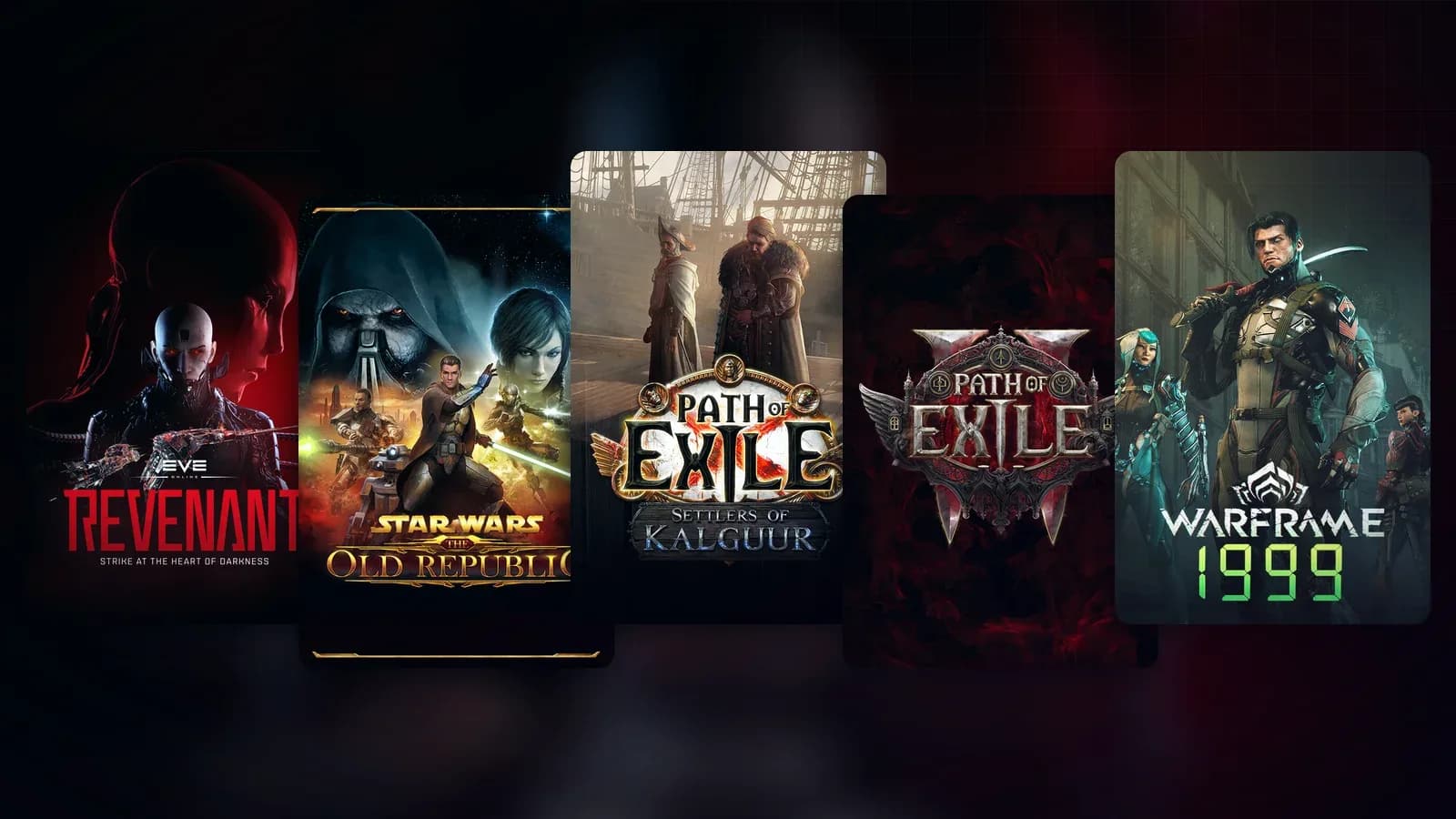
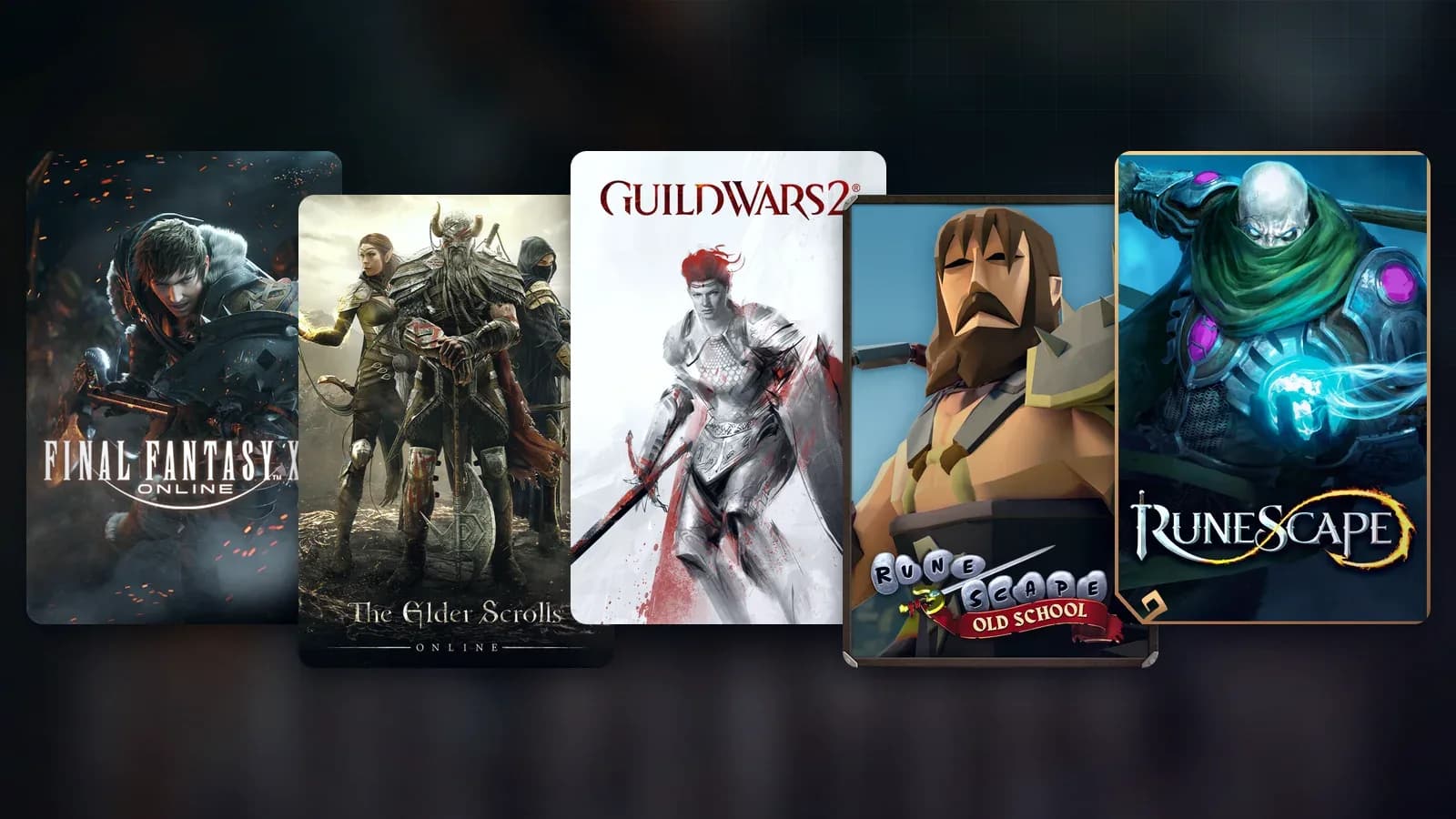
For MMO players, this is not a new concept. Subscription MMORPGs have received expansions, hotfixes, events, and class reworks for decades. What has changed is the scale of the model and the number of genres using it. Shooters, action RPGs, sports games, card games, survival games, and co-op games now commonly run on seasons, battle passes, limited-time events, cosmetic stores, and regular content drops.
The label can be useful, but it is also often used too loosely. A game is not live service simply because it has online multiplayer or gets the occasional bug fix. The defining feature is an ongoing relationship: the developer expects players to return repeatedly, and the game is structured around continued updates, engagement, and usually recurring spending.
What Is Live Service Gaming?
Live service gaming is a development and business model in which a game continues to receive planned content, balance changes, events, technical support, and monetization after release. The goal is not just to sell a boxed product once. It is to maintain an active player base over months or years.
That means the launch version is only the starting point. A live game may add new classes, maps, raids, story chapters, gear systems, cosmetics, ranked resets, or seasonal activities. It may also remove content, overhaul progression, alter rewards, or rewrite systems players had already learned.
For players, the important distinction is operational. A traditional single-player game can be judged mostly by what it ships with. A live-service game has to be judged by its current state, its update cadence, its developer priorities, and its direction of travel. A strong launch does not guarantee a healthy year two. A rough launch can improve dramatically if the team responds well and delivers meaningful updates.
MMOs remain the clearest example because their worlds are built around persistence. Your character, guild, economy, progression, and social connections carry forward. But the same logic applies to a seasonal shooter where the weapon sandbox changes every few months or an action RPG where a new league resets the economy and introduces a temporary endgame system.
The Live-Service Loop Players Actually Feel
Most live-service games run on a repeating loop. Developers release content or a season, players learn the new systems and optimize around them, the meta settles, feedback and data expose problems, and another update shifts the game again.
The loop is not only about adding more things to do. It is also about managing attention. Daily and weekly objectives create habits. Seasonal reward tracks give players a deadline. Ranked ladders and raid races create competition. Events bring back lapsed players. New cosmetics provide a reason to visit the store even when a player has completed the available progression.
None of those systems are automatically bad. Many players like having a reason to log in with friends, a fresh build to test, or a clear next goal after finishing a campaign. The issue is whether the game respects the time required to participate.
A healthy loop gives players meaningful choices and lets them step away without feeling permanently punished. A weak one turns routine into obligation: repeated chores, stacked currencies, fear-of-missing-out rewards, and catch-up systems that somehow still require hours of catch-up.
Seasons are more than a content calendar
A season is often treated as a simple three-month content drop. In practice, it can reset the entire decision-making environment. New gear can make an old build obsolete. A changed talent tree can move a class from bottom tier to top tier. A revised crafting system can alter what is worth farming or trading.
That is why patch notes matter more in live-service games than in most standalone releases. The headline feature might be a new dungeon or event, but the player impact may come from a small line that reduces a cooldown, changes a damage interaction, or adjusts loot acquisition.
A good player asks more than, "What was added?" They ask: What became easier? What became weaker? Which activities now give the best return for my time? Do I need to change my build, or is community reaction getting ahead of the actual numbers?
The meta is a product of updates and players
Developers set the rules, but players create the meta by finding efficient strategies inside those rules. Damage simulations, tournament results, guild testing, creator guides, and community spreadsheets can turn a minor adjustment into the new standard overnight.
This is especially visible in MMOs. A five percent tuning change may barely matter to a casual leveling player but determine raid roster preferences at the high end. A new support tool may make one class desirable in organized groups while doing little for solo play. Context matters.
The best live games account for that difference. They do not balance solely around elite performance or solely around the broadest player data. They communicate the problem they are solving and give players enough information to understand the change.
How Live-Service Games Make Money
Ongoing development costs money. Servers, customer support, anti-cheat work, new content, community management, and regular patches require a continuing team. Live-service monetization is the mechanism that funds that work, but the model varies widely.
A subscription MMO asks for a predictable monthly payment and may also sell expansions. A free-to-play game may rely on cosmetics, battle passes, convenience items, or character sales. Some games combine a box price with a premium store and paid seasonal content. The label itself tells you nothing about whether the monetization is fair.
The useful question is what the store sells and how the game pressures you to buy it. Cosmetic monetization is generally easier to accept when core progression remains accessible and the best visual rewards are not all reserved for payment. Convenience becomes harder to judge when inventory limits, experience boosts, or skip tokens solve problems the game deliberately created.
Pay-to-win is not always a clean yes-or-no issue. Directly selling top-tier power is the obvious case, but advantages can also arrive through faster progression, exclusive access, better resource generation, or systems that heavily reward spending early in a season. Players should look at the competitive and social effects, not just whether an item has a damage stat.
Live Service Does Not Automatically Mean Good or Bad
The best argument for live service is simple: games can improve. Developers can fix broken quests, add accessibility features, react to exploits, expand endgame activities, and keep a community together long after release. A live game can become more complete because it listens.
The strongest argument against it is equally simple: games can be designed around retention metrics instead of fun. Content can be stretched thin. Major fixes can arrive too late. Players can be asked to accept expensive monetization because the next promised update is always around the corner.
It depends on execution. A generous battle pass with clear progression may fit one game well. The same structure can feel exhausting in a game that already demands daily farming. Frequent patches can keep a combat system fresh, but constant reworks can make players feel that learning their class is wasted effort.
Live service also creates a preservation problem. If a game shuts down, its world, systems, and years of updates may disappear or become inaccessible. That does not erase the value of the time players spent there, but it is a real trade-off compared with a game that remains playable offline decades later.
How to Judge a Live-Service Game Before You Commit
Do not evaluate a live-service game only by launch-week hype or its marketing roadmap. Look at the pattern. Does the team publish clear patch notes? Do balance changes explain their intent? Are bugs fixed at a reasonable pace? Is seasonal content meaningfully different, or is it the same activity with a new reward track?
Also decide what kind of player you are. If you want a long-term main game with guild progression and evolving systems, a dependable update cadence may be a major advantage. If you prefer to finish an experience and move on, a game built around recurring checklists may feel like a second job.
For returning players, the catch-up path matters. Good live-service design lets you rejoin friends without erasing the value of regular players' effort. Bad design either leaves you hopelessly behind or sells a costly shortcut as the only practical route back.
Finally, separate a game's current meta from its long-term health. A class being overpowered this week is useful information for your next raid night. It is not proof that the game is thriving. Watch the quality of communication, the pace of fixes, the size of meaningful updates, and whether the developers respond when systems clearly waste player time.
A live-service game earns its place in your rotation when its updates give you a reason to return, not a reason to panic-log in. Follow the changes that affect your build and your group, skip the noise, and keep your time pointed at the parts of the game that are still fun.