A good crafting system changes what you do between raids, PvP queues, and patch days. It gives gathering a purpose, turns market knowledge into power, and lets non-combat players matter to their guild. So, which MMO has best crafting? The honest answer depends on whether you want a satisfying profession loop, a player-run economy, meaningful risk, or gear that stays relevant after the next update.
For most players, Final Fantasy XIV is the best all-around crafting MMO. For a crafting-first sandbox where every item has real economic weight, Albion Online takes the lead. EVE Online remains unmatched for industrial scale and logistics. The rest of the field offers strong alternatives, but those three set the standard for different reasons.
Which MMO Has the Best Crafting Overall?
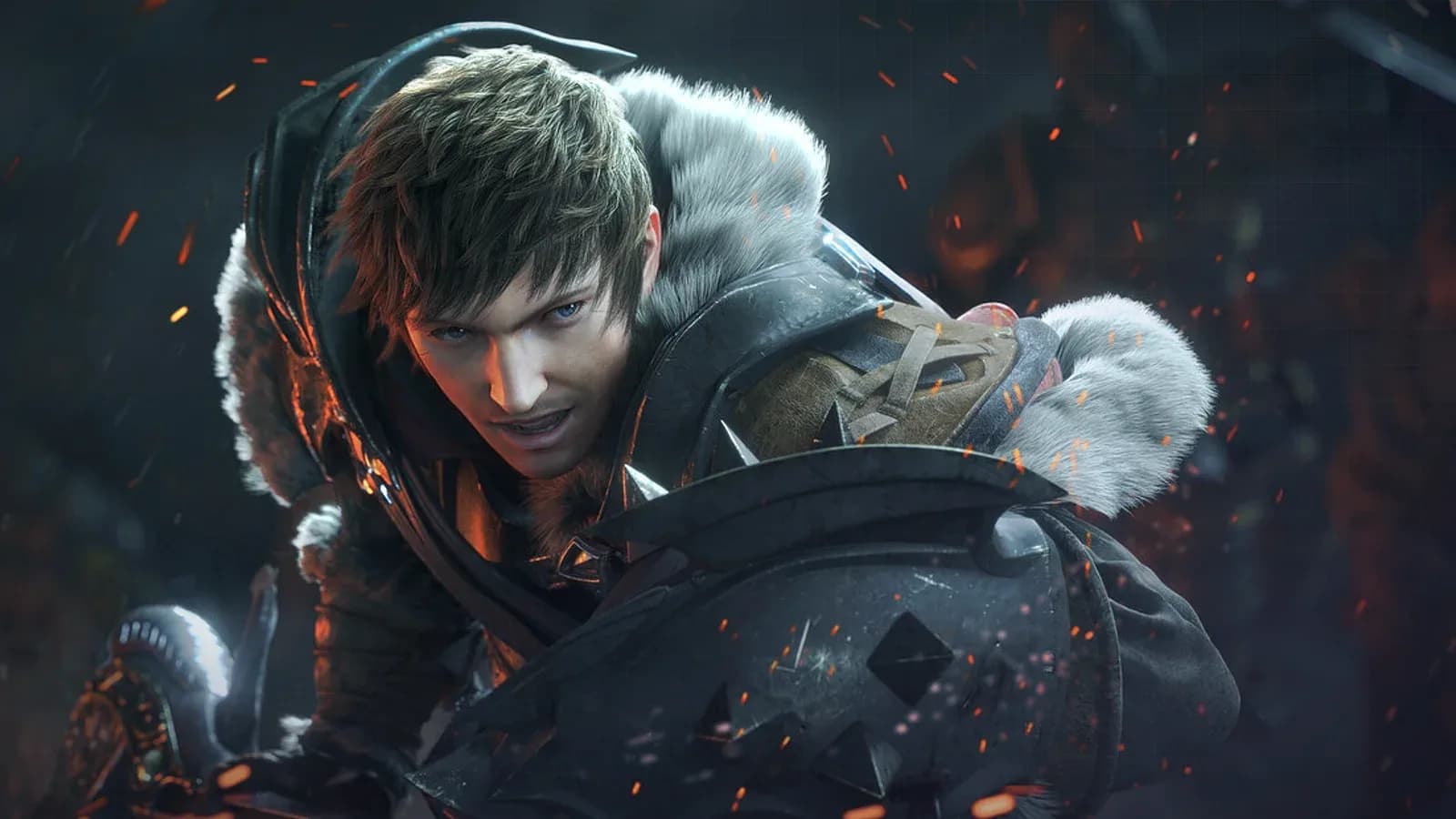
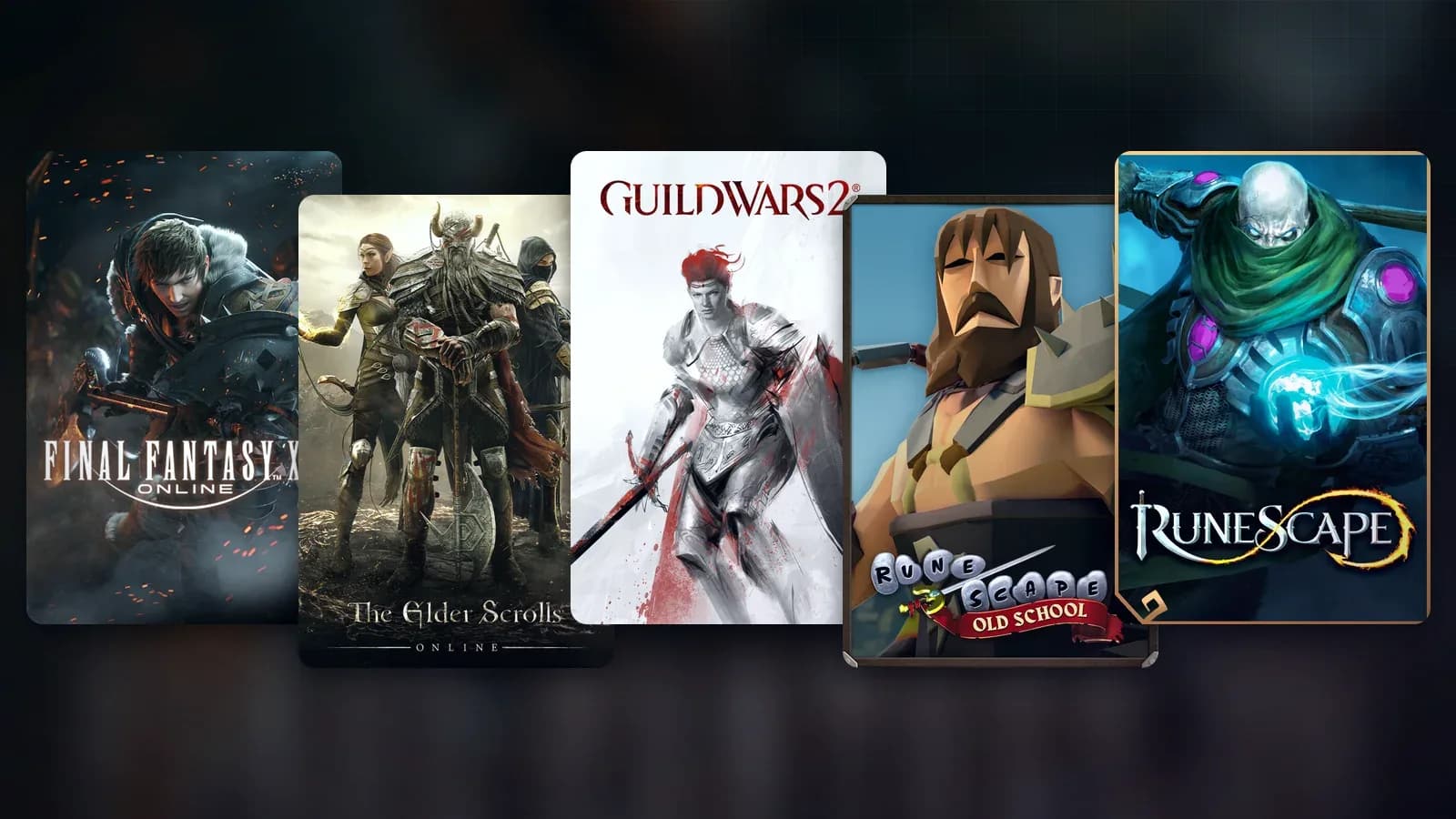
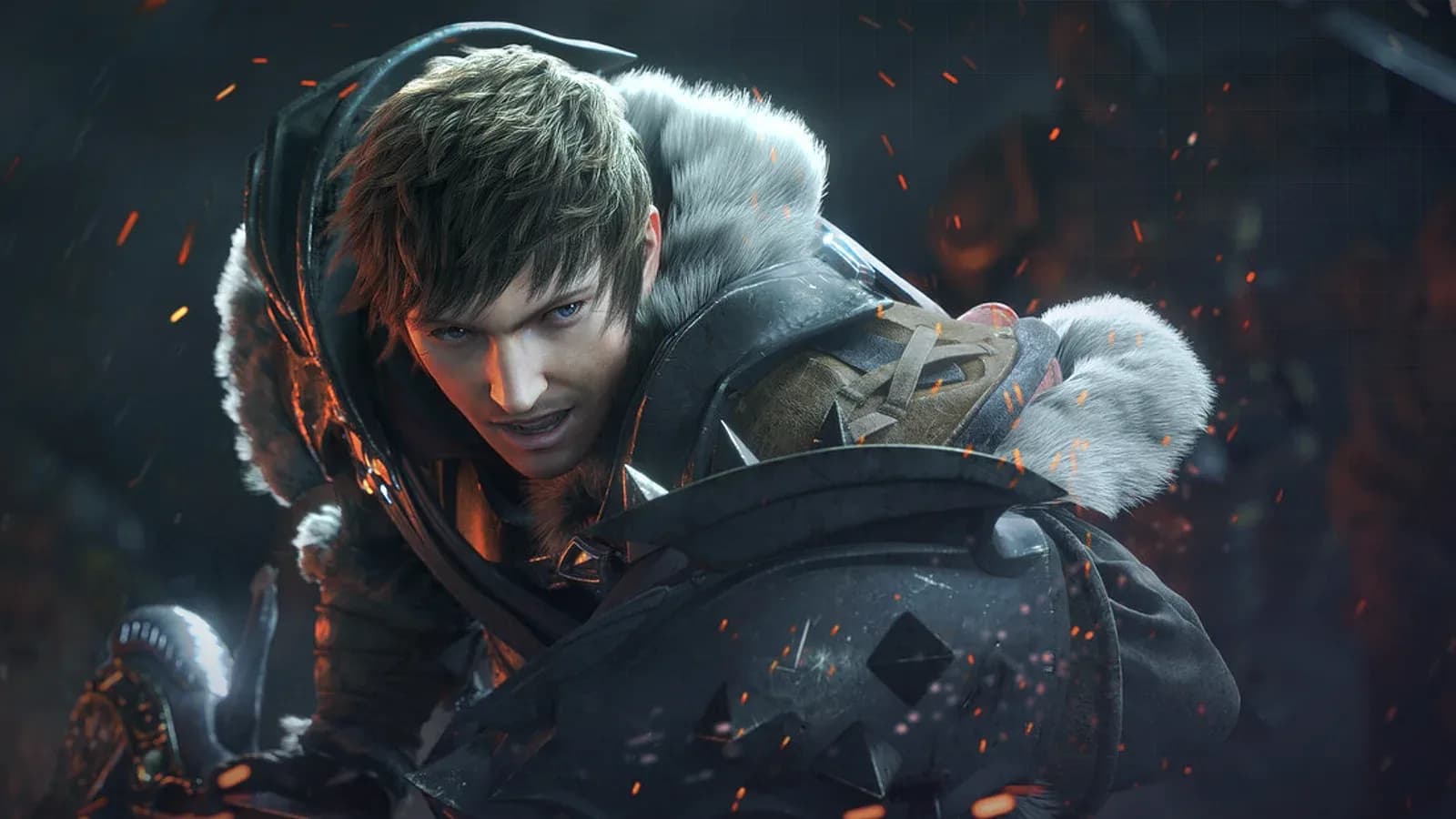
Final Fantasy XIV is the safest recommendation for players who want crafting to feel deep without making it their entire MMO career. Its Disciple of the Hand jobs are full classes, complete with gear sets, rotations, abilities, leveling paths, specialist systems, collectibles, and endgame recipes. You are not clicking a single button until a progress bar ends. You are managing quality, durability, CP, procs, and a rotation that changes with your stats and recipe difficulty.
That structure gives FFXIV crafting a progression game of its own. A player who understands breakpoints, food, materia, and rotations can consistently produce high-quality gear while another player with the same recipe cannot. On major patch cycles, crafted battle gear also has clear value for players preparing for new raids. Furnishings, glamours, consumables, and housing items keep demand moving beyond the early rush.
The trade-off is that FFXIV crafting is largely safe and system-driven. Materials are easy to acquire through gathering, retainers, and market board purchases, and the game limits the kind of economic warfare that defines a true sandbox. If your ideal profession involves supply lines, territorial control, and the possibility of losing a cargo ship, look elsewhere. If you want the most polished crafting minigame in a theme-park MMO, FFXIV is hard to beat.
Best Crafting MMOs at a Glance
| MMO | Best for | Why it stands out | Main trade-off | |---|---|---|---| | Final Fantasy XIV | Crafting as a full progression system | Rotations, quality management, broad recipe catalog | Low economic risk | | Albion Online | Player-driven economy and guild supply | Almost all gear is crafted and destructible | Full-loot risk and repetitive gathering | | EVE Online | Industrial scale and market strategy | Manufacturing chains, logistics, player politics | Steep learning curve | | Guild Wars 2 | Casual-friendly account progression | Useful goals, legendary crafting, accessible gathering | Endgame gear demand is limited | | New World | Gathering atmosphere and local markets | Strong material loop and satisfying professions | Economy value can shift sharply with updates |
Albion Online Has the Best Player-Driven Crafting Economy
If crafting only matters when crafted gear matters, Albion Online has perhaps the cleanest answer. Its full-loot PvP economy creates constant replacement demand. Weapons, armor, mounts, food, potions, bags, capes, and tools are consumed, destroyed, moved, and replaced every day. That means crafters are not waiting for a cosmetic collector to feel generous. They are serving a permanent war machine.
Albion’s strength is how tightly its systems connect. Gatherers supply refiners. Refiners supply crafters. Crafters supply solo players, guilds, gank groups, ZvZ alliances, and market traders. City bonuses, resource return rates, crafting focus, quality tiers, and black-zone transport all create room for specialization. A player who studies margins can build a reliable business without being the best fighter in the game.
But Albion is not relaxing crafting. Its economy is competitive, and the biggest opportunities often involve dangerous routes or serious capital. You can craft safely in a city, but someone has to source and move the materials. Margin calculations can become thin when a popular item is overproduced, and a bad transport decision can erase hours of work. That risk is the point. Albion makes crafting consequential because the world can punish mistakes.
For guild-focused players, Albion is the best choice. A well-organized guild needs dedicated gatherers, refiners, cooks, alchemists, mount crafters, and armor or weapon specialists. Your profession is not side content when the next territory fight needs hundreds of replacement sets.
EVE Online Is Still the Deepest Industrial MMO
EVE Online is less a crafting game than an industrial simulation attached to a ruthless space sandbox. Its production chain starts with mining and planetary resources, then expands through refining, blueprints, invention, manufacturing, reactions, hauling, market hubs, and corporation-scale logistics. You can spend years becoming better at one narrow part of that chain.
The key difference is scale. In FFXIV, you might optimize a rotation to craft raid gear. In EVE, you might secure blueprint access, calculate a production run, source minerals from multiple regions, move inventory through hostile space, insure losses, and sell into a market shaped by a war you did not start. The spreadsheet reputation is deserved, but it misses why the system works: player conflict gives industry its stakes.
EVE is the best pick for players who enjoy planning, market data, and long-term specialization more than immediate crafting feedback. It is not the best pick if you want a friendly profession experience after work. The interface, terminology, and loss model demand patience. Still, no other MMO makes industrial players feel as essential to the wider game.
Guild Wars 2 Is the Best Low-Pressure Option
Guild Wars 2 approaches crafting from a different angle. Its professions are approachable, gathering is easy to fold into normal exploration, and crafting supports useful account goals rather than an endless gear treadmill. The standout achievement is legendary equipment, which gives committed players a long-range reason to gather, trade, and craft across multiple content types.
That makes GW2 excellent for players who want crafting to complement the rest of the game. You can explore maps, do events, run fractals, play WvW, and keep feeding materials into a meaningful project. The economy has real complexity, especially around material conversion and Trading Post pricing, but it rarely demands the same all-in commitment as Albion or EVE.
The limitation is also built into GW2's horizontal progression. Once players have acquired strong gear, there is less recurring pressure to replace it. Cosmetic demand, convenience items, consumables, and legendary projects carry the system, but crafters do not sit at the center of combat readiness in the same way they do in Albion.
New World Delivers the Best Gathering-to-Crafting Feel
New World deserves a spot because its moment-to-moment gathering remains unusually satisfying. Chopping trees, mining ore veins, harvesting plants, and skinning animals have weight, sound, and a sense of place that many MMOs never achieve. If your ideal crafting session begins with a route through a dangerous forest rather than a shopping trip to an auction house, it has a real advantage.
Its refining and trade-skill loops also make raw materials feel tangible. You can see the ladder from basic resources to refined components and finished gear. Localized economic ideas have historically made where you craft and sell part of the decision, though the practical impact of markets and item demand can change substantially with balance passes and system updates.
That volatility is the warning. Before committing to a high-level New World crafting path, check the current patch economy. Changes to gear systems, crafting mods, loot rewards, and endgame progression can quickly alter what sells. The foundation is strong, but the meta can move faster than in older, more settled MMOs.
The Best Choice Depends on What You Want From Crafting
Pick Final Fantasy XIV if you want the best crafting gameplay and a profession system that rewards execution. Pick Albion Online if you want your output to fuel a living PvP economy. Pick EVE Online if you want to build an industrial empire and can tolerate a serious learning curve. Choose Guild Wars 2 for a flexible, low-pressure account progression path, and New World when gathering itself is part of the appeal.
Before you commit, test the current endgame loop rather than judging an MMO by its first ten crafting levels. Look at what players actually buy after a patch, whether your preferred profession has a clear niche, and how much gathering, market play, or group logistics it requires. The best crafting MMO is the one where making the next item feels like a decision that matters.