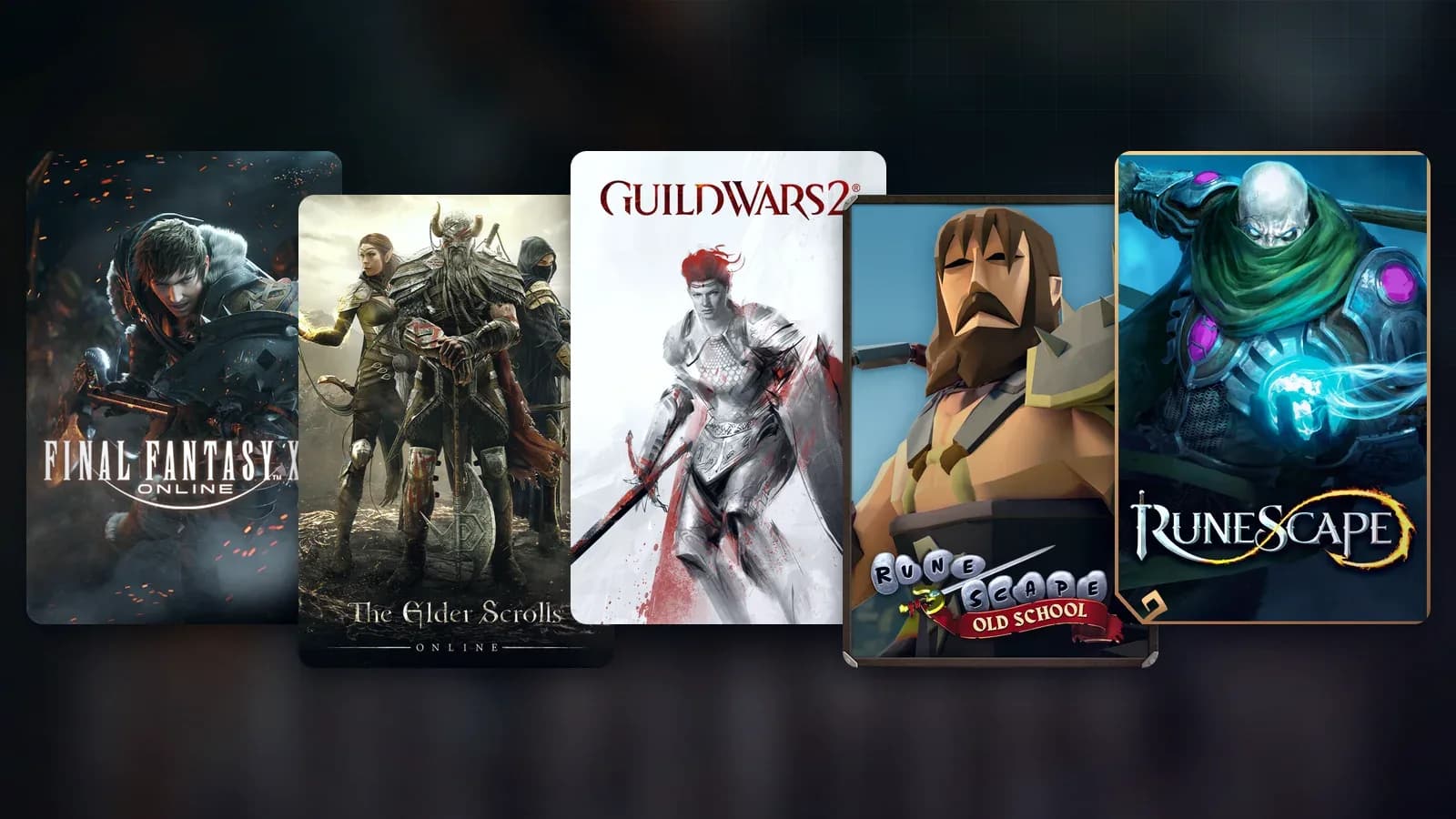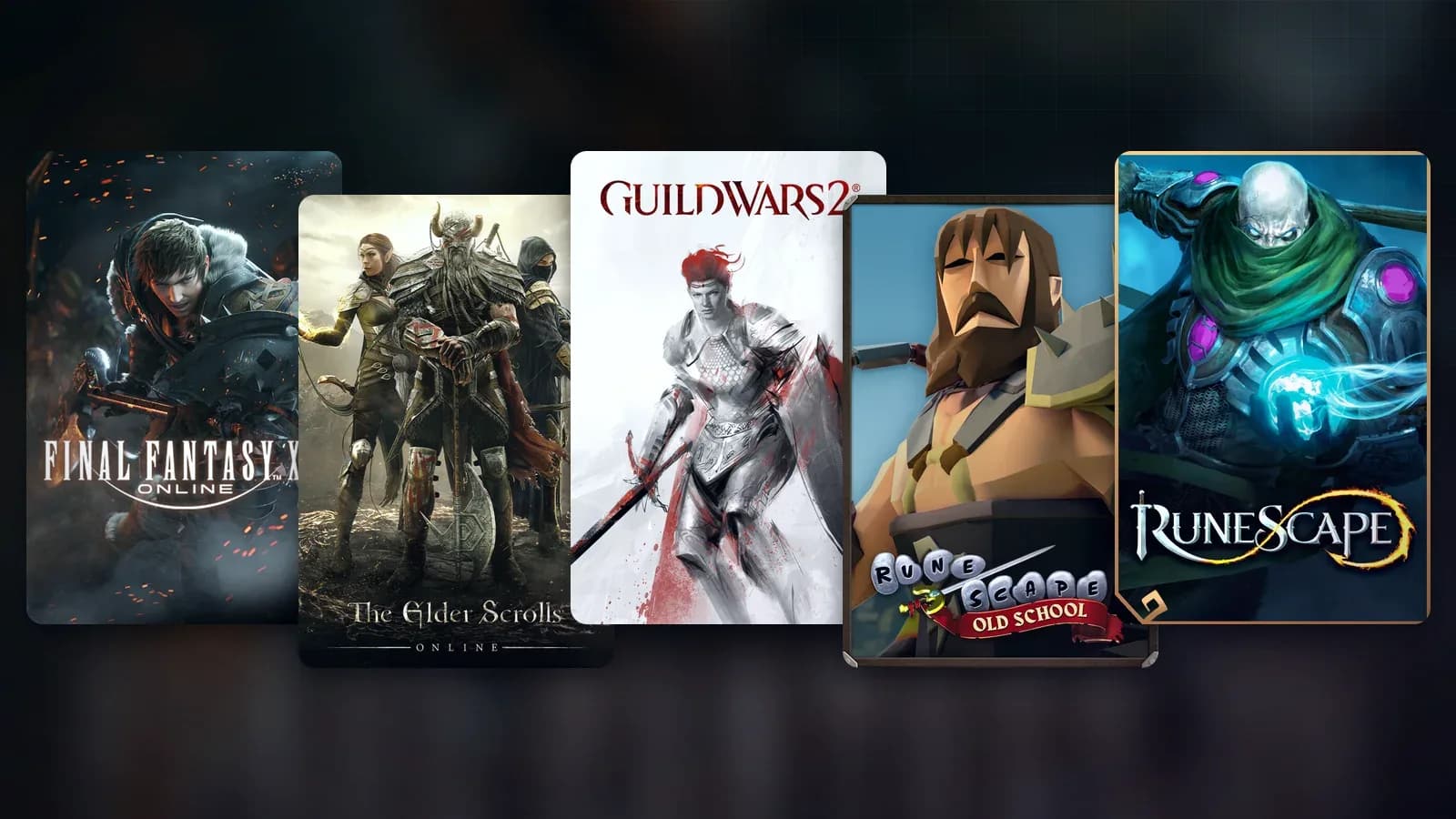
You log in after a few months away and the game looks familiar right up until your inventory opens. There are new currencies, old gear with warning icons, a quest chain that starts three expansions ago, and a chat window full of acronyms. This returning player catch-up guide is built for that moment: getting current without turning your first week back into unpaid patch-note research.
The biggest mistake returning players make is treating every missed update as required reading. It is not. Most MMOs are designed to funnel active players toward a current season, expansion, or endgame loop. Your job is to identify that funnel, then ignore everything that no longer moves your character forward.
Start With Patch Triage, Not Gear
Before you replace a single item, find out what changed in the current patch and the one immediately before it. You are looking for practical answers, not every balance coefficient: What is the current level or item-level cap? Which activities award relevant gear? Did a seasonal reset happen? Has your class been reworked? Are there new progression systems that make older ones obsolete?
This is the point where a concise patch breakdown matters more than reading months of developer posts. A returning player does not need the full history of every nerf and hotfix. They need to know whether their old build still functions, whether their old progression path is retired, and what content the game expects them to play now.
Pay close attention to timing. Returning at the start of a season usually gives you more room to learn systems and find groups. Returning near the end can make catch-up faster because rewards are often accelerated, but you may be preparing for another reset soon. Neither situation is bad. It changes whether you should invest heavily in long-term upgrades or focus on getting comfortable before the next cycle.
Set one return target
Pick a target that fits your actual playtime. Maybe you want to raid with your old guild again, hit a competitive PvP bracket, clear the newest story content, or simply build a character that can handle current group activities. That decision determines what “caught up” means.
A player returning for normal-mode raids does not need the same gear, add-ons, optimized rotation, or farming schedule as someone pushing the highest difficulty. Trying to prepare for both at once is how players burn out before they reach either goal.
Returning Player Catch-Up Guide: Your First 90 Minutes
Your first session should be an audit, not a grind. Start by clearing enough bag space to see what you own. Separate items that are obviously current - recent tokens, season currencies, upgrade materials, and active quest items - from older collectibles, crafting supplies, and sentimental clutter. Do not delete unfamiliar currencies or tokens until you know whether they convert into something useful, but do not let inventory management become an all-night project either.
Next, inspect your character sheet. Check your equipped gear, talent setup, stat priorities, consumables, and keybinds. Live-service games regularly change the value of stats, remove talent nodes, or alter how abilities interact. A build that was excellent when you left can now contain dead choices without looking obviously broken.
Then follow the newest available campaign, seasonal, or catch-up questline. These quests are rarely subtle. They typically award baseline gear, unlock current systems, and point you toward the activities that matter. If the game offers a gear boost or a returner bundle, read the details before claiming it. Some boosts are ideal for an alt; others can skip a tutorial chain your main still needs.
Your goal for that first 90 minutes is simple: establish the current loop. By the end, you should know what content awards upgrades, which currencies matter, what your next gear breakpoint is, and whether your class needs a full rebuild.
Do Not Chase Your Old Best-in-Slot List
Old best-in-slot guides are useful as archaeology, not instructions. They can tell you how your class used to play, but they often lead returning players toward content with poor rewards or expensive upgrades that will be replaced immediately.
Current progression usually has a catch-up floor and an optimization ceiling. The floor is the accessible gear from campaigns, weekly activities, matchmaking, crafting, vendors, or boosted rewards. The ceiling is where optimized drops, limited currency, upgrade tracks, and difficult content begin. Reach the floor first. Spending hours chasing a rare legacy trinket when a current quest reward will replace it tomorrow is wasted effort.
Crafting is the main exception, and even that depends on the game. A crafted item can be a smart early purchase if it fills a weak slot, uses a current upgrade path, or provides a crucial set bonus. It is a poor purchase if it consumes most of your gold for a minor gain while your overall gear is still far behind. Check the item’s long-term upgrade potential before treating it as an investment.
Rebuild for the Current Meta, Then Make It Yours
Meta awareness is valuable because it saves time. It tells you which specs are performing well, which talents are broadly reliable, and which stats or weapons are currently favored. It should not force every returning player into a complete reroll.
Start with a current, general-purpose build for your class and preferred role. A starter build should be forgiving, functional in mixed content, and easy to execute while you relearn cooldown timing and encounter mechanics. The highest-performing build on a ranking site may assume near-perfect uptime, premium gear, coordinated groups, or a playstyle you dislike.
After a few sessions, make adjustments based on where you actually play. Solo-focused players often need more sustain or mobility than pure damage guides recommend. Players running organized raids can lean into group buffs and encounter-specific utility. In PvP, a talent that looks mediocre in a damage spreadsheet may be essential for control or survival.
The useful question is not “What is the number-one build?” Ask, “What is the best build for the content I will play this week?” That is the meta that affects your return.
Use Group Content as a Checkpoint, Not a Wall
Modern catch-up systems often expect you to enter group content before you feel fully ready. That can be uncomfortable, especially if your last memory of the game involves strict gear checks or impatient groups. Still, normal or entry-level group activities are often the fastest way to learn whether your character is genuinely current.
Begin at the lowest relevant difficulty and treat the first few runs as information gathering. Watch what kills you, which cooldowns go unused, whether your damage or healing holds up, and where your gear feels weak. If you are joining a guild again, be direct about returning status. Good groups would rather know you are relearning than assume you know every mechanic from the first pull.
If group content is not your goal, do not force it solely because it is technically efficient. Open-world systems, solo instances, crafting, PvP, and seasonal activities can still build a capable character in many MMOs. The trade-off is usually speed or access to top-end rewards, not the ability to participate at all.
Avoid the Catch-Up Traps That Waste a Week
Returning players lose time in predictable ways. Avoiding these traps matters as much as finding the right quest.
- Do not spend rare currency until you know the current weekly caps, upgrade tracks, and vendor priorities.
- Do not buy expensive gear just to raise a visible score if the item has poor stats or will be replaced by guaranteed rewards.
- Do not use a high-end guide as a leveling or baseline gearing plan. Endgame optimization assumes resources you may not have yet.
- Do not grind retired content because it feels familiar unless you want its cosmetics, achievements, or social experience.
There is also a less obvious trap: trying to catch up on every system at once. Most live-service games stack reputations, collections, professions, side stories, seasonal events, housing, and alternate progression tracks around the core gear loop. Pick the systems that directly support your target, then save the rest for when the pressure to catch up is gone.
Build a One-Week Return Rhythm
A good first week has a rhythm rather than a marathon. On day one, finish the return questline and rebuild your character. Over the next few sessions, complete activities with weekly rewards before farming repeatable content. Weekly locks, limited currencies, and first-clear bonuses are usually the biggest source of efficient progression.
Use the middle of the week to test your build in the content you chose. This is when you refine keybinds, practice your rotation, and decide whether a gear purchase or crafted upgrade solves a real problem. Leave cosmetic grinds, old achievements, and side collections for lower-energy sessions.
Before the weekly reset, spend or bank resources with a purpose. If an upgrade is waiting on one more activity, finish it. If you are capped on a currency, check whether holding it for next week has value or whether it should become an immediate gear improvement. This light planning prevents the common returner problem of playing a lot while progressing slowly.
Know When You Are Actually Caught Up
Being caught up does not mean owning every collectible, maximizing every reputation, or matching the gear of players who have been active for months. It means you can enter your preferred current content without being carried, understand the systems affecting your character, and see a realistic path to your next upgrades.
If you can explain why you are running a specific activity, what reward you expect from it, and what you will replace next, you are no longer lost. From there, progress becomes a choice instead of a cleanup task. Log in with one clear objective, let the current season point you forward, and leave the backlog where it belongs: behind you.