A player retention case study is most useful when it looks past login rewards and engagement charts. Players stay in MMOs when the game gives them a reason to care about next week without making a missed week feel like a permanent setback. That balance is harder to maintain than it sounds, especially once a live-service game has years of systems, currencies, raids, and community expectations behind it.
For players, retention design is not an abstract business metric. It determines whether a patch feels like an invitation or an obligation. It shapes whether returning after six months is exciting, whether your guild can keep a stable roster, and whether a daily reset feels worthwhile or exhausting.
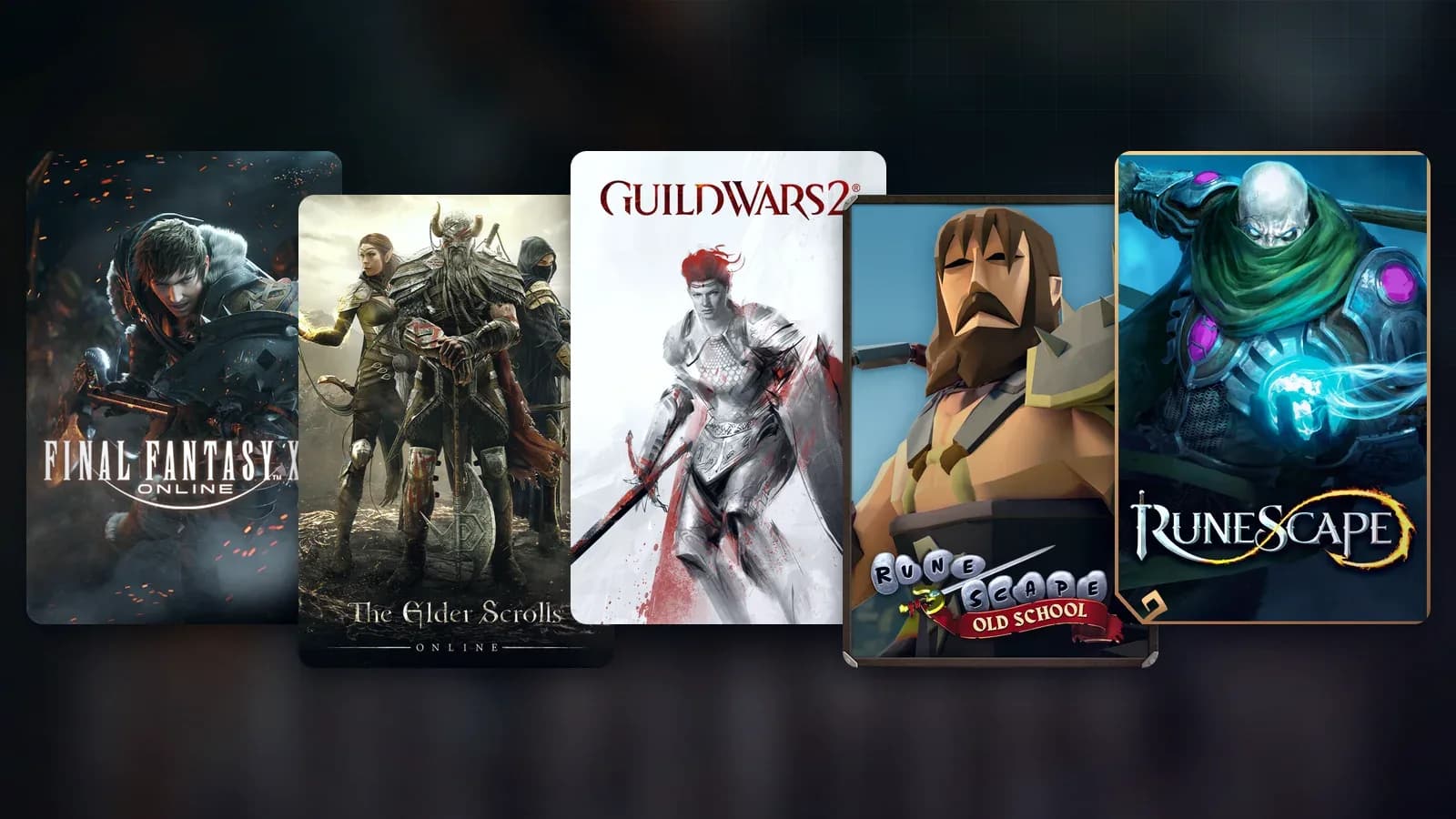
The strongest MMO retention models tend to solve three problems at once: they establish a reliable rhythm, create goals that matter to different player types, and provide enough catch-up that absence does not become a quit point. World of Warcraft, Final Fantasy XIV, and Guild Wars 2 approach that mix very differently.
Player Retention Case Study: Three MMO Models
World of Warcraft turns seasons into a shared race
Modern World of Warcraft is built around a clear seasonal loop. A new season resets the competitive conversation through a new raid, Mythic+ rotation, PvP rewards, balance changes, and usually a new system or progression layer. Players do not just return for content. They return because the relative value of their time has changed.
That matters. A player who has been optimizing a Mythic+ build for months has a concrete reason to reassess talents, trinkets, crafted gear, and dungeon routes after a major patch. Guilds have a reason to rebuild raid nights. PvP players have a fresh ladder. The game turns a patch into a moment where being informed creates an advantage.
The retention strength is shared urgency. Everyone in the same activity is working through a recognizable early-season progression curve, from initial gearing to higher keys or deeper raid bosses. That gives groups a natural reason to schedule play together, and it gives players a visible answer to the question, “What should I do tonight?”
The trade-off is pressure. Seasonal resets can make breaks feel expensive, particularly for players who want to stay competitive with friends or guildmates. Blizzard has repeatedly leaned on catch-up gear, account-wide improvements, and more accessible sources of progression to soften that effect, but the tension remains. If a season asks too much maintenance from players before it offers meaningful progress, retention becomes routine compliance rather than enthusiasm.
The lesson is not that every MMO needs seasons. It is that a seasonal game needs a legible restart point. Players can tolerate a reset when they understand what has changed, what still matters, and how quickly they can become useful again.
Final Fantasy XIV protects the player’s right to leave
Final Fantasy XIV takes almost the opposite approach. Its major patches are dependable, its story is central, and its gear progression is deliberately more bounded than the treadmill found in many competitors. A player can step away after finishing a patch cycle, return for the next one, and usually regain footing without treating the game like a second job.
This is retention by trust. The game is not trying to monopolize every evening. It is trying to remain the MMO players are happy to come back to when the next story chapter, raid tier, trial, or expansion arrives.
That philosophy supports different types of investment. Story-focused players have a long-running narrative reason to return. Raiders and crafters get structured goals around patch launches. Housing, glamour, mounts, relic content, and social venues give players a broad set of optional long-tail pursuits. None of those activities must carry every player through every month. Together, they make the world feel inhabited between major releases.
The risk is quieter periods. When a player has completed the current story and does not care about high-end raiding, collectible grinds, or social play, the game may offer little reason to log in daily. That is not necessarily a design failure. It is a deliberate trade: lower short-term engagement pressure in exchange for goodwill and a stronger chance that lapsed players return for the next major beat.
For live-service teams, this is a useful correction to the usual retention panic. A player who leaves satisfied is not the same as a player who leaves burned out. The first player may still recommend the game, follow expansion news, and rejoin friends later. The second often disconnects from the whole ecosystem.
Guild Wars 2 makes horizontal progress do the work
Guild Wars 2 relies on horizontal progression more than vertical item-level escalation. Its core appeal is that meaningful achievements, legendary gear, mounts, masteries, maps, and collections remain valuable long after their original release window. New content expands the player’s options instead of routinely invalidating prior effort.
That changes the emotional cost of returning. A player who comes back after a long break is not greeted by a pile of obsolete gear and a mandatory sprint through several tiers of replacement equipment. They can choose a current goal, revisit an older map, work toward a mount or legendary, join a world event, or explore a new story release without first clearing a large power-gap tax.
This design is especially effective for players with inconsistent schedules. It also gives communities a reason to revisit older zones, which helps a large game world avoid feeling abandoned outside the newest expansion area. When old content retains practical or cosmetic value, the world has more places where spontaneous cooperation can happen.
The downside is that some progression-focused players miss the clarity of a hard gear chase. Horizontal systems can feel less urgent because there is no obvious ceiling to race toward. A game using this model must make its goals readable. Players still need to know which collections matter, what a new mastery changes, and whether a reward is worth the time.
What these games get right about the returner problem
The most revealing retention metric is often not how many people log in every day. It is how easily an interested player can return after falling behind. MMOs lose players at the moment they believe catching up will be confusing, lonely, or too expensive in time.
WoW addresses this through seasonal restarts and accelerated gear paths. Final Fantasy XIV limits the power gap and keeps its primary story path clear. Guild Wars 2 reduces the penalty for old gear and lets players choose goals that remain relevant. The methods differ, but the player-facing message is similar: your previous time was not wasted, and you can contribute again soon.
That message needs to show up in patch communication, not just system design. A catch-up event is less useful if returning players cannot tell whether it applies to them. A reworked class is less exciting if the notes do not explain what changed in normal play, group content, and endgame builds. This is where editorial filtering matters: players need the practical implications, not every line of implementation detail.
Retention Is a Social System, Not Just a Reward Track
Rewards create a reason to queue. Other people create a reason to stay.
Guild progression, raid teams, static groups, trading communities, role-play circles, and even recurring world-event groups turn individual goals into shared routines. The best retention loops leave room for players with different commitment levels to participate in the same ecosystem. A hardcore raider, a returning healer, and a casual collector do not need identical rewards, but they need enough overlapping activity to remain connected.
This is why overly aggressive daily design can backfire. If every player is pushed into solo chores before they can join friends, the game consumes available playtime without strengthening the community. Likewise, if competitive requirements become too strict, groups stop inviting returners and the social ladder narrows.
A healthier model gives players a few meaningful choices. Do the raid with your guild, run keys for weekly progress, chase a cosmetic goal, help a friend catch up, or simply log in for a social event. Choice is not the absence of retention design. It is what makes retention feel voluntary.
What Players Should Watch in the Next Patch
When judging whether a patch will keep an MMO healthy, do not start with the size of its content list. Look for the pressure points. Does the update give veterans a new goal without wiping out their investment? Can a returning player become group-ready in a reasonable window? Are the strongest rewards tied to activities people can do together? And does the patch explain which class, build, economy, or progression changes will affect ordinary play?
A good patch does not need to keep everyone online forever. It needs to give the right players a credible reason to return, a clear plan once they do, and enough breathing room to still enjoy the game on their own terms. That is the kind of retention players actually notice.